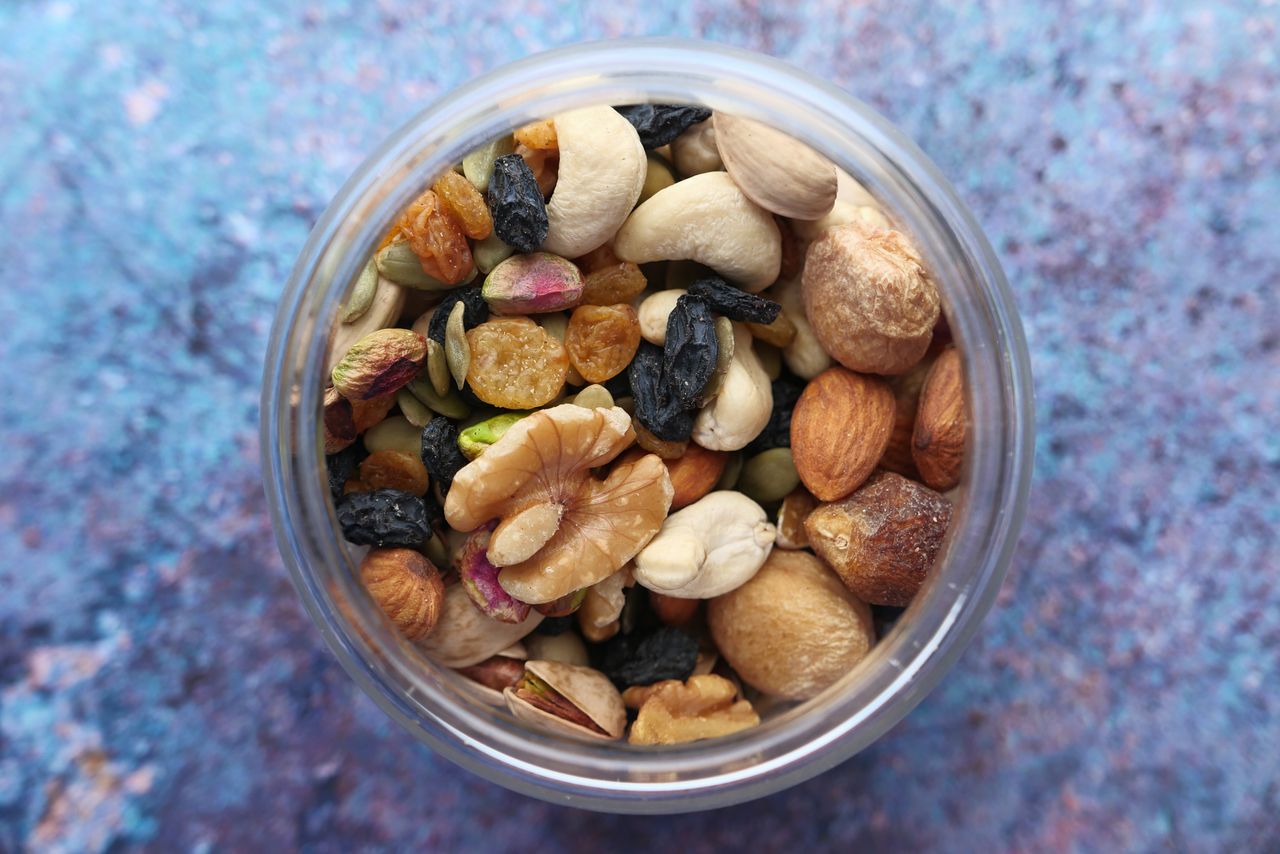
Protein is one of the most important nutrients your body needs every day. It supports muscle growth, repairs tissues, strengthens the immune system, and helps keep you feeling full after meals. Whether you’re trying to lose weight, build muscle, or simply stay healthy, knowing your daily protein requirement can make a significant difference.
A protein intake calculator is a simple tool that estimates how much protein your body needs based on factors such as your weight, activity level, age, and fitness goals. While it’s only an estimate, it provides a practical starting point for planning a balanced diet.
In this guide, you’ll learn how protein requirements are calculated, why protein matters, and how to meet your daily needs.
What Is a Protein Intake Calculator?
A protein intake calculator estimates the amount of protein you should consume each day. Instead of recommending the same amount for everyone, it considers your body weight and lifestyle.
Your protein needs depend on several factors:
- Body weight
- Age
- Sex
- Physical activity
- Fitness goals
- Overall health
For example, someone who exercises regularly or lifts weights usually requires more protein than someone with a sedentary lifestyle.
Why Is Protein Important?
Protein is made up of amino acids, which are often called the building blocks of life. Your body uses protein for many essential functions.
Protein helps:
- Build and repair muscles
- Maintain healthy skin, hair, and nails
- Produce enzymes and hormones
- Support the immune system
- Promote healthy bones
- Increase feelings of fullness
- Preserve muscle during weight loss
Without enough protein, your body may struggle to repair tissues and maintain muscle mass.
How Much Protein Do You Need?
The Recommended Dietary Allowance (RDA) for healthy adults is:
0.8 grams of protein per kilogram of body weight per day
However, your needs may be higher depending on your lifestyle.
Daily Protein Recommendations
| Activity Level | Protein Needed (g/kg/day) |
|---|---|
| Sedentary adults | 0.8 |
| Light exercise | 1.0–1.2 |
| Regular fitness | 1.2–1.6 |
| Muscle gain | 1.6–2.2 |
| Endurance athletes | 1.2–2.0 |
| Older adults | 1.0–1.2 |
These values are general guidelines. Individual needs can vary.
How to Calculate Your Daily Protein Requirement
The basic formula is:
Daily Protein (grams) = Body Weight (kg) × Protein Requirement (g/kg)
Example
- Weight: 70 kg
- Goal: Muscle gain
- Protein target: 1.8 g/kg
Calculation:
70 × 1.8 = 126 grams of protein per day
A protein intake calculator performs this calculation automatically, making it easy to estimate your daily target.
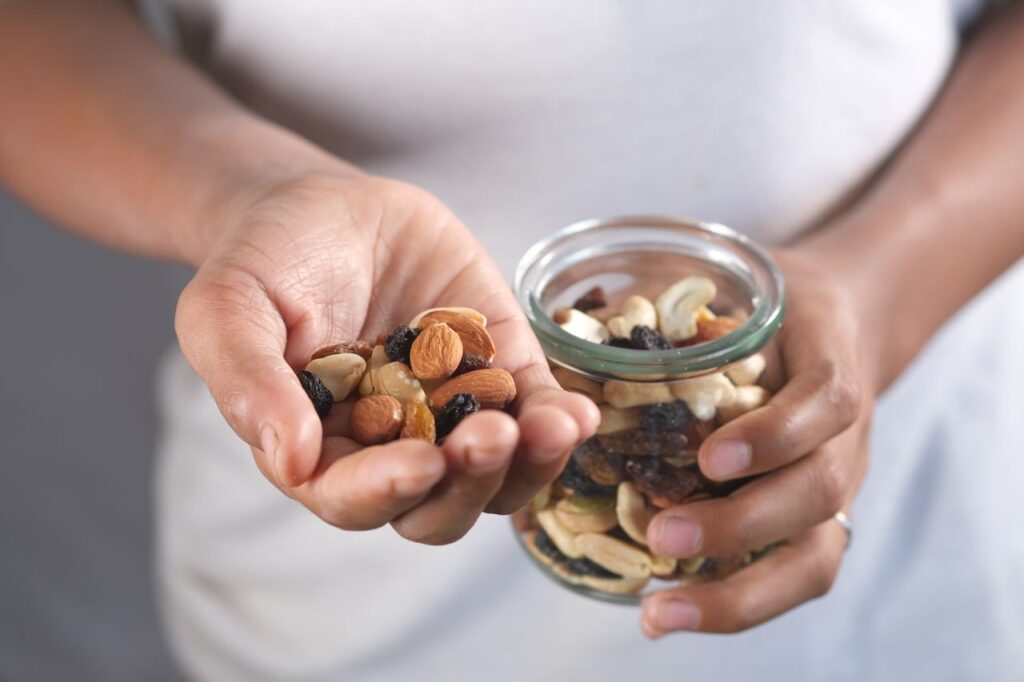
Protein Needs Based on Your Goal
Weight Loss
Protein helps preserve muscle while reducing calorie intake and may increase satiety.
Recommended intake:
1.2–1.6 g/kg/day
Muscle Gain
Strength training increases protein requirements because muscles need amino acids for recovery and growth.
Recommended intake:
1.6–2.2 g/kg/day
General Health
If your goal is simply maintaining good health, the RDA of 0.8 g/kg/day is sufficient for most healthy adults.
Best High-Protein Foods
Meeting your protein target is easier when you include a variety of protein-rich foods.
| Food | Protein (Approx.) |
|---|---|
| Chicken breast (100 g) | 31 g |
| Salmon (100 g) | 22 g |
| Eggs (2 large) | 12 g |
| Greek yogurt (200 g) | 20 g |
| Cottage cheese (100 g) | 11 g |
| Lentils (1 cup cooked) | 18 g |
| Chickpeas (1 cup cooked) | 15 g |
| Tofu (100 g) | 10 g |
| Milk (250 ml) | 8 g |
| Almonds (30 g) | 6 g |
Combining animal and plant-based protein sources can help create a balanced diet.
Can You Eat Too Much Protein?
Protein is essential, but more isn’t always better.
Very high protein intakes may:
- Increase calorie consumption if not balanced
- Reduce intake of other important nutrients
- Cause digestive discomfort in some people
For healthy individuals, moderate increases in protein are generally considered safe, but people with kidney disease or certain medical conditions should seek guidance from a healthcare professional before significantly increasing protein intake.
Common Protein Myths
Myth 1: More protein always means more muscle.
Muscle growth also depends on resistance training, adequate calories, rest, and genetics.
Myth 2: Only athletes need extra protein.
People recovering from illness, older adults, and those trying to lose weight may also benefit from higher protein intake.
Myth 3: Plant protein isn’t effective.
Plant proteins can support health and muscle growth when you consume enough total protein and eat a variety of sources.
Tips to Meet Your Protein Goal
- Include protein with every meal.
- Choose lean meats, fish, eggs, or dairy.
- Add beans, lentils, tofu, and nuts to meals.
- Snack on Greek yogurt or cottage cheese.
- Spread protein intake throughout the day instead of eating it all at once.
- Pair protein with fruits, vegetables, and whole grains for balanced nutrition.
Frequently Asked Questions
How much protein do I need every day?
Most healthy adults need at least 0.8 grams per kilogram of body weight, while active individuals often require more.
Is a protein intake calculator accurate?
It provides an estimate based on accepted nutrition guidelines. Your exact needs may vary depending on health status, training intensity, and personal goals.
Is protein good for weight loss?
Yes. Protein can help maintain muscle during weight loss and may improve feelings of fullness, making it easier to manage calorie intake.
Can I get enough protein on a vegetarian diet?
Yes. Foods such as beans, lentils, tofu, tempeh, dairy products, eggs (if included), quinoa, and nuts can help you meet your daily protein needs.
Should I use protein supplements?
Whole foods are generally the best source of protein. Supplements may be convenient when it’s difficult to meet your needs through food alone, but they should complement—not replace—a balanced diet.
Conclusion
A protein intake calculator is a practical way to estimate how much protein your body needs each day. While the exact amount depends on your weight, activity level, age, and goals, understanding your daily protein requirement can help you make informed dietary choices.
Whether your objective is improving overall health, supporting weight loss, or building muscle, combining the right amount of protein with a balanced diet and regular physical activity is key. Remember that calculators provide estimates, and if you have specific medical conditions or unique nutritional needs, consulting a registered dietitian or healthcare professional is the best way to develop a personalized nutrition plan.