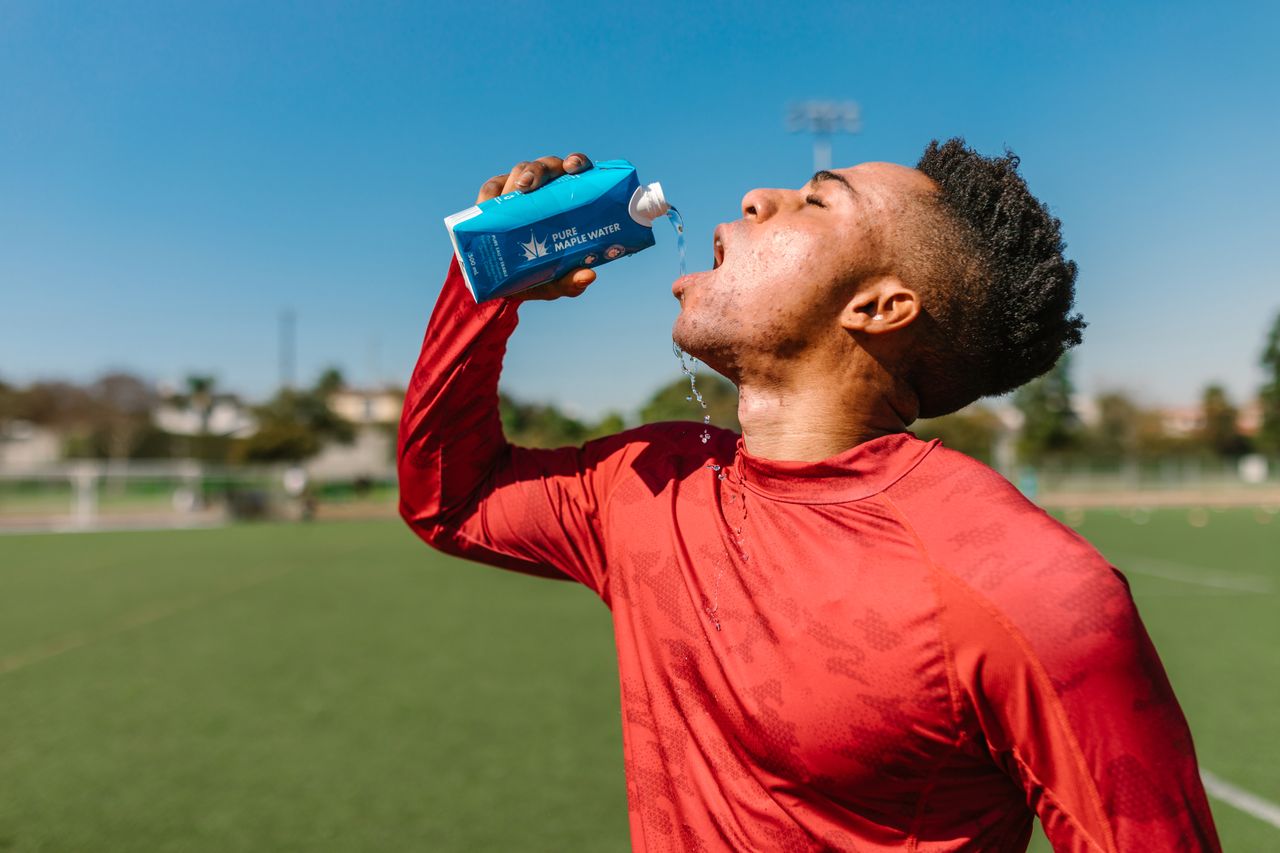
Water is essential for life. Every cell, tissue, and organ in your body depends on it to function properly. From regulating body temperature to supporting digestion and transporting nutrients, staying hydrated is one of the simplest yet most effective ways to maintain good health.
Despite its importance, many people don’t drink enough water throughout the day. Mild dehydration can affect energy levels, concentration, and physical performance, while long-term inadequate fluid intake may contribute to various health issues.
In this guide, you’ll learn why hydration matters, how much water you need, the benefits of drinking enough water, and practical tips to stay hydrated every day.
What Is Hydration?
Hydration refers to maintaining the right balance of fluids in your body. Since the human body is made up of about 50–60% water, replacing fluids lost through sweating, breathing, and normal bodily functions is essential.
You lose water every day through:
- Sweating
- Urination
- Breathing
- Digestion
Drinking fluids and eating water-rich foods help restore these losses.
Why Is Hydration Important?
Water supports nearly every major function in the body. Proper hydration helps your organs work efficiently and contributes to overall well-being.
Some key functions of water include:
- Regulating body temperature
- Transporting nutrients and oxygen
- Lubricating joints
- Supporting digestion
- Removing waste through urine and sweat
- Protecting tissues and organs
- Maintaining healthy skin
These essential roles highlight the importance of hydration for people of all ages.
Benefits of Staying Hydrated
Drinking enough water offers many health benefits.
1. Supports Physical Performance
When you’re well hydrated, your body can better regulate temperature and maintain blood flow during physical activity.
Hydration is especially important during exercise or hot weather when fluid losses increase.
2. Boosts Energy Levels
Even mild dehydration may leave you feeling tired or less alert.
Adequate fluid intake helps your body function efficiently and can support consistent energy throughout the day.
3. Improves Brain Function
Your brain relies on proper hydration to perform at its best.
Staying hydrated may help with:
- Concentration
- Memory
- Mental alertness
- Mood
While many factors influence cognitive performance, hydration is an important part of overall brain health.
4. Supports Healthy Digestion
Water helps move food through the digestive system and supports normal bowel function.
Drinking enough fluids, along with eating fiber-rich foods, can help promote healthy digestion.
5. Helps Regulate Body Temperature
Sweating is your body’s natural cooling system.
When you’re hydrated, your body can regulate temperature more effectively during exercise or warm weather.

6. Promotes Kidney Health
Your kidneys help remove waste products from the blood.
Adequate hydration supports normal kidney function by helping the body produce urine and eliminate waste efficiently.
People with certain medical conditions should follow fluid recommendations provided by their healthcare professional.
7. Supports Healthy Skin
While hydration alone won’t prevent all skin concerns, drinking enough water contributes to normal skin function and overall health.
Healthy skin also depends on factors such as nutrition, sun protection, sleep, and genetics.
How Much Water Should You Drink?
There isn’t a single amount that’s right for everyone. Your fluid needs depend on:
- Age
- Body size
- Activity level
- Climate
- Overall health
- Pregnancy or breastfeeding
General daily fluid intake recommendations include:
| Group | Approximate Daily Fluid Intake* |
|---|---|
| Adult Women | About 2.7 liters (91 oz) |
| Adult Men | About 3.7 liters (125 oz) |
*These totals include fluids from beverages and water-rich foods.
Your needs may be higher if you exercise regularly, spend time in hot weather, or have certain health conditions.
Signs You’re Well Hydrated
Common signs of good hydration include:
- Feeling energetic
- Light-colored urine
- Moist mouth and lips
- Comfortable digestion
- Normal thirst levels
- Good physical performance
Urine color is only one indicator and can be affected by medications, supplements, and certain foods.
Signs of Dehydration
Recognizing the signs of dehydration early can help you increase your fluid intake.
Common signs include:
- Increased thirst
- Dry mouth
- Dark yellow urine
- Fatigue
- Headache
- Dizziness
- Reduced urination
Severe dehydration is a medical emergency and requires prompt medical attention.
Best Sources of Hydration
Water is the best choice for most people, but other beverages and foods also contribute to daily fluid intake.
Drinks
- Plain water
- Sparkling water (unsweetened)
- Milk
- Herbal tea
- Low-sugar beverages
Water-Rich Foods
| Food | Water Content (Approx.) |
|---|---|
| Cucumber | 96% |
| Lettuce | 95% |
| Watermelon | 92% |
| Strawberries | 91% |
| Oranges | 86% |
| Tomatoes | 95% |
| Celery | 95% |
Including fruits and vegetables in your meals can help increase your overall hydration.
Tips to Stay Hydrated
Developing healthy hydration habits doesn’t have to be difficult.
Carry a Water Bottle
Having water nearby makes it easier to drink regularly throughout the day.
Drink Before You Feel Very Thirsty
Thirst is one signal that your body needs fluids, but waiting until you’re very thirsty may mean you’re already mildly dehydrated.
Eat More Fruits and Vegetables
Many fresh fruits and vegetables contain a high percentage of water.
Drink Water With Meals
Making water your primary mealtime beverage is a simple way to increase intake.
Increase Fluids During Exercise
Replace fluids lost through sweating, especially during prolonged or intense physical activity.
Limit Sugary Drinks
Choosing water instead of sugar-sweetened beverages can support overall health and reduce unnecessary calorie intake.
Common Myths About Hydration
Myth 1: Everyone Needs Exactly Eight Glasses of Water
Fluid needs vary depending on the individual, activity level, and environment.
Myth 2: Coffee Always Causes Dehydration
Moderate amounts of coffee and tea contribute to daily fluid intake for most people.
Myth 3: You Only Need Water During Exercise
Your body needs fluids throughout the day, not just when you’re physically active.
Frequently Asked Questions
How do I know if I’m drinking enough water?
Pay attention to your thirst, urine color, and overall well-being. If you’re unsure about your hydration needs, consult a healthcare professional.
Can I drink too much water?
Yes. Although uncommon, excessive water intake can lead to a dangerous imbalance of electrolytes. Balance is important.
Do other drinks count toward hydration?
Yes. Milk, tea, coffee, and other beverages contribute to your daily fluid intake, although plain water is generally the best choice.
Is hydration important for weight management?
Drinking water instead of sugary beverages can reduce calorie intake, and staying hydrated supports overall health and physical activity.
Should athletes drink more water?
People who exercise regularly or sweat heavily often require additional fluids to replace losses.
Conclusion
Staying hydrated is one of the simplest ways to support your overall health. Water plays a vital role in regulating body temperature, transporting nutrients, supporting digestion, protecting organs, and maintaining physical and mental performance.
While everyone’s fluid needs are different, developing consistent hydration habits—such as drinking water regularly, eating water-rich foods, and increasing fluids during exercise or hot weather—can help your body function at its best. Remember that hydration is just one part of a healthy lifestyle, alongside balanced nutrition, regular physical activity, quality sleep, and routine medical care.